Overview
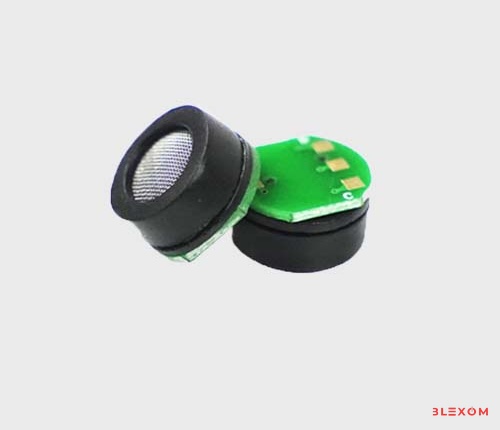
KNI-3132M catalytic hydrogen sensor adopts MEMS process, works according to the principle of catalytic combustion effect, and is paired by a detection element and a compensation element to form an arm of the bridge, when the resistance of the detection element increases, the output voltage of the bridge changes, the voltage variable increases proportionally with the increase of hydrogen concentration, and the compensation element plays a reference and temperature and humidity compensation role.
Key Features
- The bridge output is linear
- Quick response
- Good repeatability and selectivity
- Good stability and reliability
- Low power consumption
- Excellent anti-interference ability
Applications
- Hydrogen-powered vehicle
- Hydrogen energy preparation
- Energy storage battery / power station
- Hydrogen energy transport and use
- Hydrogen detection in other scenarios
Technical Specifications
| Model | KNI-3132M | |
| Sensor Type | MEMS Catalytic | |
| Standard Encapsulation | Plastic Encapsulation | |
| Working voltage(V) | 3.0±0.1 | |
| Working current(mA) | 14±1.0 | |
| Sensitivity (mV) | 1% H2 | 30~60 |
| Linearity | ≤5% | |
| Measuring range(%LEL) | 0~100 | |
| Startup time in air | ≤0.5s | |
| Response Time (90%) | ≤2s | |
| Recovery Time (90%) | ≤1s | |
| Working Environment | -40~+85°C,less than 95%RH | |
| Storage Environment | -40~+85°C,less than95%RH |